Why this Kamakura board feels complete
Plan a flexible 2-day Kamakura itinerary with iconic temples and shrines, Komachi Street food stops, and an easy coastal break. Optimized for walkable sightseeing year-round, especially April to October.
Start with the real Kamakura board in Instaboard - mapped stops, day-by-day structure, and live sharing - then tailor the pacing, bookings, and notes to your trip.

Plan a flexible 2-day Kamakura itinerary with iconic temples and shrines, Komachi Street food stops, and an easy coastal break. Optimized for walkable sightseeing year-round, especially April to October.
The itinerary is already built for you, and you can edit, customize, and rearrange it however you want.
Drag places onto the canvas to plan visually, then see everything you added mapped out in one place.
You get a cleaner version of the itinerary on your phone that is easy to use and easy to share.
Everyone sees updates instantly and can make changes together without losing track of the latest version.


This is the actual board structure you get when you open the template, not a generic mockup.
Jump into the board with the structure already laid out so you can start editing immediately.
Swap stops, reorder days, and reshape the plan without rebuilding the trip from scratch.
Keep everyone on the same itinerary instead of scattered screenshots and text threads.
Fresh highlights pulled from the template so you can browse the shape of the trip before opening it.

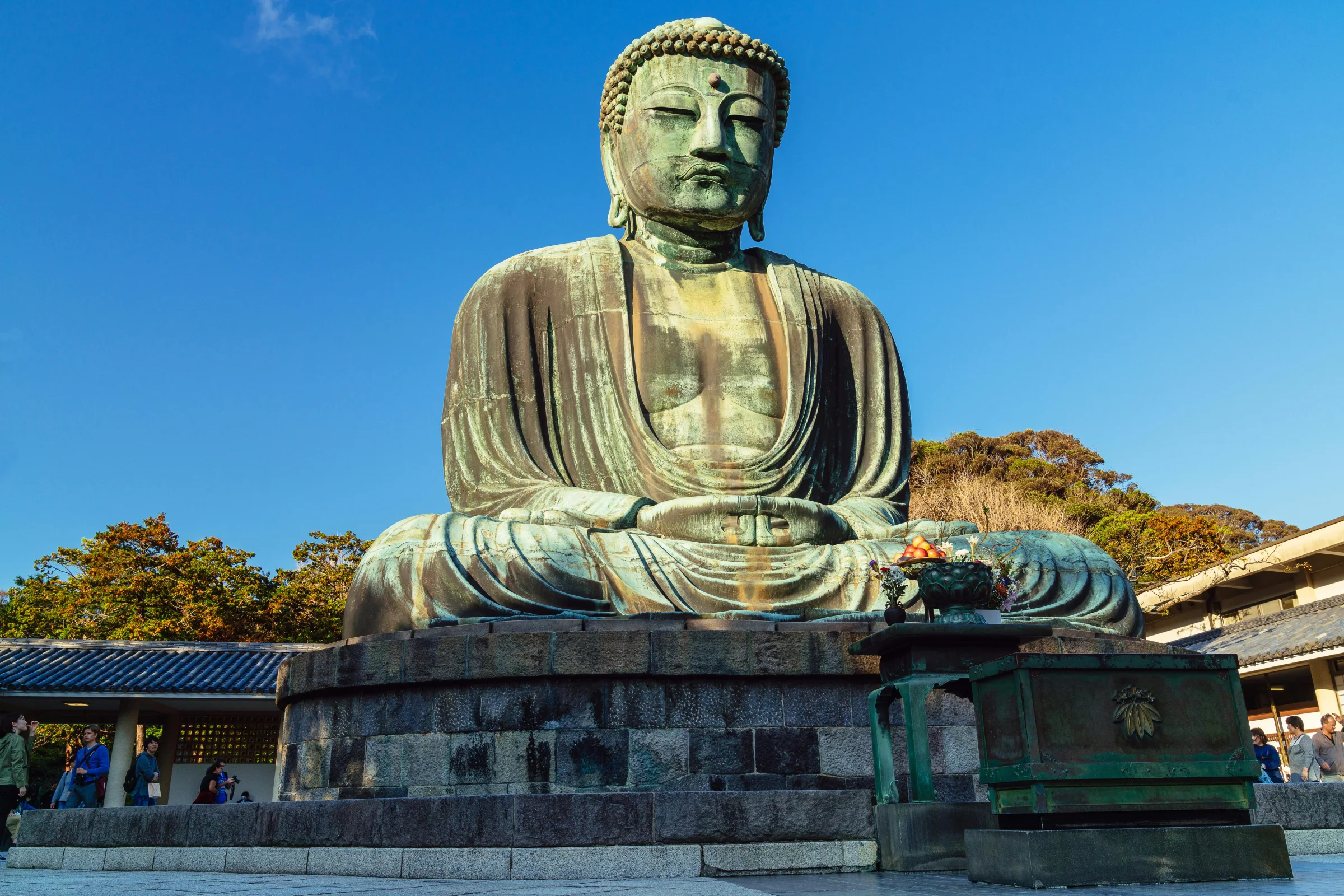
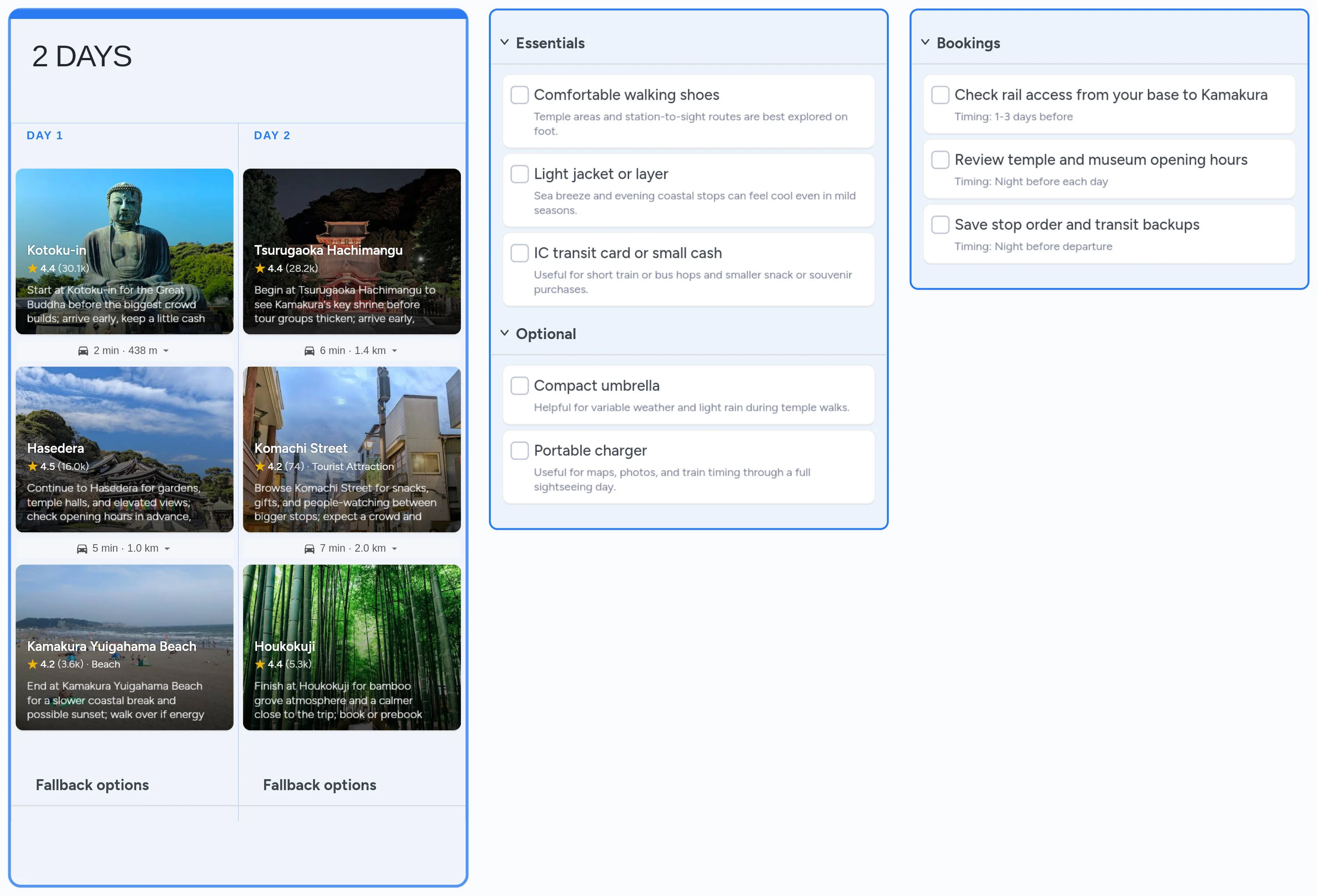
Visit Kotoku-in to see the Great Buddha early before peak crowds. It is an easy stop from Hase Station with a short walk to the entrance.

Explore Hasedera for hillside gardens, temple halls, and elevated coastal views. Weekend queues are common, so checking opening hours helps with timing.

Start your day at Tsurugaoka Hachimangu, Kamakura's central shrine, before tour groups thicken. The approach and main precinct set the tone for a classic city-break loop.

Walk Komachi Street for snacks, small souvenirs, and quick breaks between major sights. It gets busy, so going earlier keeps the pace smoother.

End with Houkokuji for a quieter bamboo grove atmosphere away from the busiest corridors. Watching last-entry times helps if you are coming from central Kamakura.

Take a coastal break at Kamakura Yuigahama Beach for an easy walk and possible sunset. A light layer helps when sea breezes pick up.
Typical daily costs in JPY (Japanese Yen).
Accommodation: ¥3,000-¥5,000 for hostels or budget guesthouses
Food: ¥1,000-¥2,000 for convenience store meals or inexpensive eateries
Transportation: ¥1,000-¥2,000 for local trains and buses
Activities: ¥500-¥1,500 for low-cost attractions and free activities
Accommodation: ¥7,000-¥15,000 for mid-range hotels or ryokans
Food: ¥3,000-¥6,000 for meals at mid-range restaurants
Transportation: ¥2,000-¥3,000 for taxis and local transport
Activities: ¥2,000-¥4,000 for a mix of paid attractions
Accommodation: ¥20,000 and up for luxury hotels or high-end ryokans
Food: ¥10,000 and up for gourmet dining experiences
Transportation: ¥5,000 and up for private cars or luxury transport
Activities: ¥5,000 and up for exclusive tours and experiences
Open the template, personalize each day, and share the live itinerary with your travel group.